

Cheap Wood Burning Stoves
Wood and pellet stoves can provide an inviting atmosphere to any home. However, homeowners should consider the following factors prior to making a purchase. Cost, environmental impact and energy efficiency are a few of them.
A wood stove must have an EPA-certified combustion efficiency of 75% or greater. This will help to reduce the amount of smoke emitted into the air and could be eligible for a tax credit.
Cost
Many people prefer to have a wood burning stove for a low-cost and environmentally friendly heating solution for their home. They are very popular during the winter months because they provide the feeling of warmth. They also offer a solution to expensive energy bills caused by the rising cost of gas and electricity. Anyone who uses log burners should purchase locally and sustainably sourced wood and ensure that it is properly dried. They should keep the firewood in a dry, well ventilated area. A high-end log burner burns fuel with a very high efficiency, which means that 4/5 of the energy stored in logs is converted into heat.
A wood stove may also be used to provide backup heat during a power outage. However, they are not ideal for all homes as they are not able to heat the entire space. If you're thinking of installing stoves, consult an expert for advice and recommendations. small wood burning heater will help you pick the ideal stove for your home.
Wood-burning stoves release minimal or no emissions unlike other heating methods. Inhaling carbon monoxide and other organic gases, such as particulates, could be dangerous. These gases are released during burning wood and can cause lung problems. However, this issue can be reduced by using an air-tight system for smoke control and drying the logs properly prior to burning them.
A kilowatt of energy can be produced by a wood stove for less than half the cost of gas or electricity, and it is also free in the event that you have access inexpensive or free firewood. Furthermore wood is a renewable resource, which means it will never run out. Additionally, a wood stove can help you save money on utility bills and increase your home's energy efficient.
A wood stove can increase the value of your property and may even increase its resale value. It is simple to install and comes in a variety designs. Moreover, they can be used in any space, and could even be a focal point in a living room or dining space.
Environmental impact
When used correctly If they are used properly, wood stoves are renewable sources of energy and are more affordable than electricity or gas. They also offer independence from energy providers, which is important since prices are rising. They can also serve as an alternative source of heating in the event of power being cut. They are not without downsides. If not burned properly they could cause pollution and harm to the environment.
The smoke from wood is hazardous to humans, and particularly for youngsters and the elderly. It is made up of fine particles as well as other harmful components. These pollutants can cause irritation to the eyes and respiratory problems. This is particularly harmful for those with pre-existing health conditions. It is one of the major risk factors for heart disease and premature death.
The environmental impact of a wood-burning stove is contingent on the type of wood used and how it is used. Unseasoned or damp wood generates more smoke than kiln dried logs. They release more particulate matter, volatile organic compounds, and polycyclic aromatic hydrocarbons, which can contribute to air pollution. This type of stove that burns wood is also an ignition risk.
In the past, many governments offered incentives to replace old wood stoves with modern ones which are more sustainable. A recent study has revealed however that the new stoves emit more than 750 times the amount of tiny particles of pollutant as modern HGV. The report was requested by the campaign group Mums for Lungs and backed by a variety of experts.
To lessen the environmental impact, use Kiln dried logs and an efficient stove that is clean. These stoves can have efficiencies of up to 80 percent which is far superior to an open flame. The fuel is also burned more efficiently, which means less wastage. A wood stove can also be a safer alternative to an open flame that could spark an fire in your home.
Sustainable use of woodlands and forests improves the quality of life for the surrounding area. The harvesting of plants and trees provides habitats for wildlife and the openness of the canopy of the forest encourages greater plant diversity. It also improves the soil by reducing erosion and runoff. However If the forest is not replanted after harvesting, the ecosystem could be damaged.
Energy efficiency
A wood stove can be a great choice if you are looking to add a fireplace to your home, or you're looking to lower your energy costs. Before purchasing a wood stove, be aware of the initial cost. Experts estimate that the average wood stove costs up to $1300. This doesn't include installation costs or other equipment such as flue materials.
Wood stoves reduce your energy bills and also help reduce greenhouse gas emissions. They accomplish this by converting harmful substances to clean-burning CO2. They also add value to a home and can be bought for as little as $500 for an old or recycled model. A more modern stove can cost upwards of $10,000 however there are many options to choose from.
If you're considering buying a wood stove, make sure it is EPA certified. These stoves have higher efficiency of combustion, meaning you'll use less wood to heat your home. EPA-certified stoves reduce harmful air pollution and burn cleaner.
High-efficiency stoves also keep the combustion area warm enough to burn the gases from wood or other fuels. This stops them from escaping into the room as smoldering gasses that can cause creosote-like deposits in the chimney and contaminate the environment.
You'll need an area to store the wood for fuel, and also adequate space to stack it. You'll also need to ensure that the stove is properly placed in the room and there is adequate clearance from walkways. You'll also need a ventilation system to remove the gas and fumes out of your home. The initial cost of a wood-burning stove is significantly smaller than the advantages. Royce, who has used a wood boiler for the past 15 years, claims he's saved thousands of dollars each year on heating bills. He attributes his savings to the fact that he doesn't need to pay for oil or electricity. He also loves the scent of burning wood and watching the flames dance.
Maintenance
A wood stove is among the best methods of heating a home without using electricity. These versatile appliances are energy efficient, offer an inviting atmosphere and can last for a long time with regular maintenance. However, there are additional costs associated with purchasing and installing a stove. These include the cost of labor and materials. These costs can also be affected by the size and type of the stove. A large cast iron catalytic fireplace will cost more than smaller non-catalytic stainless steel fireplace. Additional installation costs are incurred for modifying the existing structure and finishes as well as HVAC, electrical, and plumbing systems. The cost of ducting to bring in fresh air is another cost to be considered.
In contrast to fossil fuels, burning wood is dirty and generates creosote, ash, and ash. This makes it important to keep your log burner in good working order. It is recommended to clean it at least once a year. During this time you should inspect the stove's components for wear or damage. It's recommended to replace the firebricks, when they're worn or damaged out. You should also sweep your chimney at least twice per year to remove creosote and prevent dangerous gas leaks.
If you're looking for a budget wood heater that won't break your budget, go for a model that has a simple design with few moving parts. These types of stoves are less likely to fail than more complex engineered models. In addition, the simplicity of a stove's layout will lower the cost of maintenance and repair costs.
A used or refurbished wood stove could also be a great option to save on your purchase. These units may not be as efficient as newer models but they are still a great choice for those who are on a budget. Additionally, purchasing an old or used stove will eliminate the upfront costs of purchase and installation.
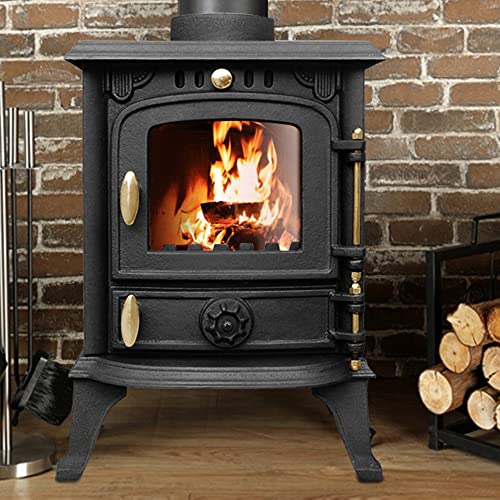
When you are comparing prices, it's recommended to consider the cost of consumables like logs and firewood. The SIA (Stove Industry Alliance) estimates that one cubic metre of kiln dried logs costs between PS120 and PS140. Some advanced stoves let you burn alternative fuels such as smokeless coal and pellets alongside logs. This can be more cost-effective during certain times of year.